
In this comprehensive guide of MiniTool, we will show you several ways to tune up and optimize your computer, including removing junk files, defragmenting the hard drive, managing startup programs, updating system, and scanning for malware.
Why a PC Tune-up Matters?
A PC can gradually slow down due to accumulated junk files, excessive startup programs, outdated system components, and potential security threats. Without regular tune-ups, these issues may lead to longer boot times, reduced performance, and a less stable system.
Performing a computer tune-up helps maintain system efficiency, improve responsiveness, and reduce the risk of errors or crashes. It is an effective way to keep your PC running smoothly over time.
Specifically, a regular PC tune-up brings several practical benefits, covering performance, security, stability, and hardware longevity.
1. Boost PC Performance
Tuning up the computer regularly can effectively solve the problems of computer slowdown and performance decline.
As time goes by, your computer will be filled with unnecessary files, outdated software, and fragmented data, which leads to performance degradation and reduced work efficiency.
When tweaking a PC, tasks include clearing temporary files, optimizing software settings, performing defragmentation for HDDs and more, which can keep the system in its best condition.
2. Enhance Security
For a long time, in the digital landscape, cyber threats have always posed varying degrees of risk to the online environment. Outdated software, unpatched vulnerabilities, and insufficient security settings can all make your system vulnerable to cyberattacks and data breaches.
A PC tune-up usually involves installing updates, scanning for malware, and strengthening security protection. This can enhance the defense of your computer and protect it from potential threats.
3. Improve System Stability
If your system frequently crashes or freezes, you should tune up your computer regularly to enhance its overall stability.
System instability is usually caused by damaged files, outdated software, or incompatible drivers. PC maintenance will carefully check these factors and take corresponding measures.
Moreover, thermal regulation will be managed, making sure components don’t overheat and cause sudden shutdowns.
4. Extend the Lifespan of PC
Computers need to undergo regular maintenance to maximize their lifespan. By implementing periodic checks and maintenance, potential hardware problems can be detected and addressed early.
What’s more, it can prevent further deterioration and potentially avoid high repair or replacement costs in the future. Investing in PC maintenance not only helps effectively reduce the impact caused by daily use, but also ensures the long-term stable operation of the system.

You may ask when you should do a computer tune-up. In fact, there isn’t a set rule for how often you should perform maintenance tasks. However, getting into a regular routine could significantly improve your computer’s baseline performance and overall lifespan.
You can schedule the tune-up tasks on a monthly or longer basis, depending on how often you use your computer. Nevertheless, when encountering the following issues, it is necessary to adjust the frequency. For example:
- Slow performance
- Frequent crashes or freezes
- Pop-ups and ads
- Storage space issues
- A sea of error messages
How to Tune up Your PC?
To tune up your PC, you can start with basic system maintenance tasks provided by Windows. These include cleaning up unnecessary files, managing startup programs, keeping the system up to date, and checking for security risks.
In addition to built-in tools, third-party utilities can also be used to perform more flexible or comprehensive maintenance tasks.
Below are several practical tips that can help improve your computer’s performance and overall stability.
Tip 1: Clean up Junk Files on PC
#Use Disk Cleanup
Windows comes with a helpful tool, Disk Cleanup, which scans your hard drive for files that are safe to delete. You can clear up temporary internet files, download program files, thumbnails, system files, error reports, previous Windows installations, and more.
Follow the steps to remove unnecessary files using Disk Cleanup:
Step 1. Search for Disk Cleanup in the Start menu and hit Enter.
Step 2. Choose the drive you want to clean up like the C drive.
Step 3. Select the items (like mentioned above) > click OK & Delete Files.
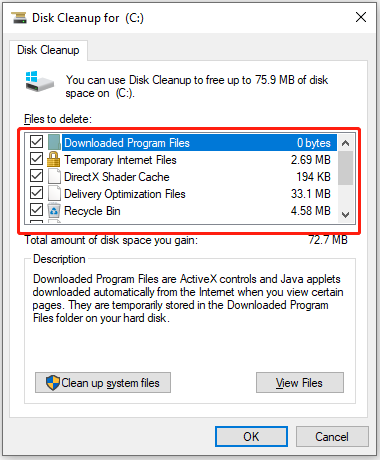
Step 4. For system junk files, tap on Clean up system files > select a drive > choose files to delete.
#Enable Storage Sense
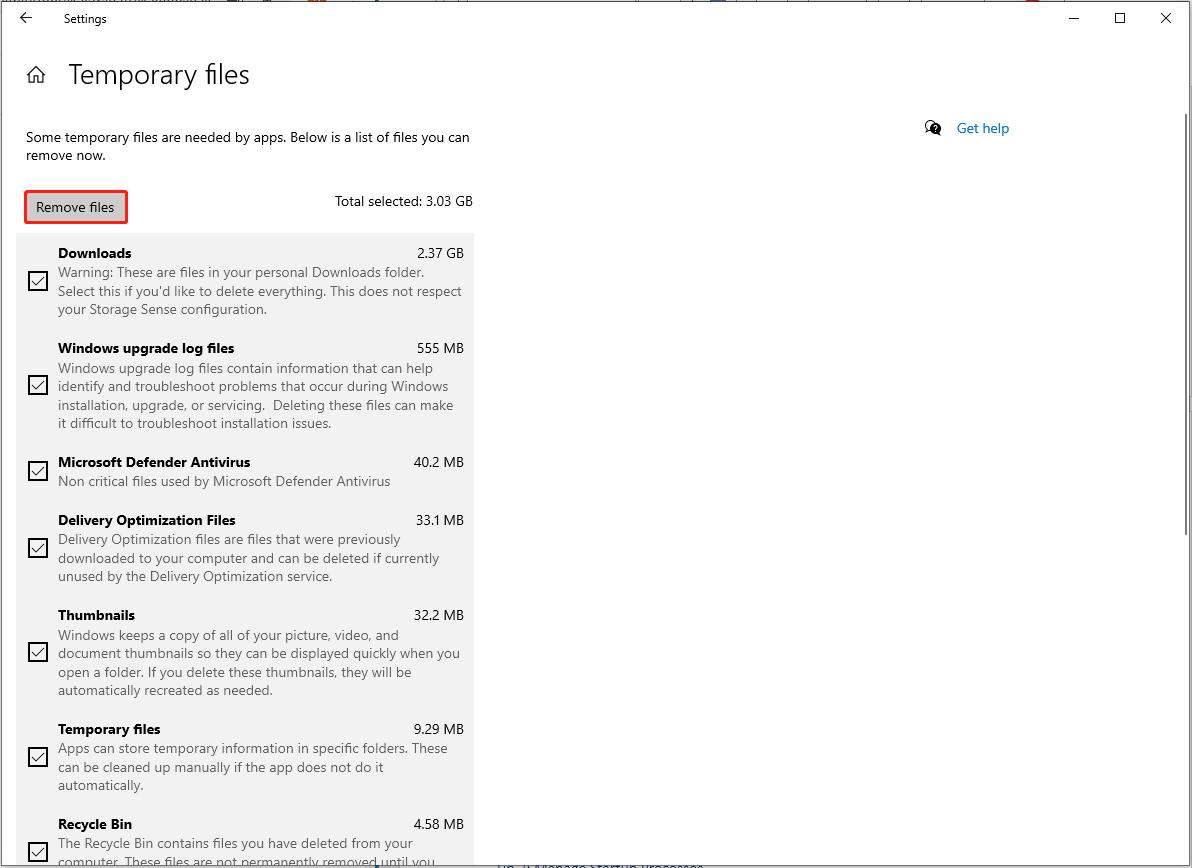
In Windows 10/11, there is a feature called Storage Sense that enables you to automatically delete files, like temporary files and content in the Recycle Bin.
Let’s see how to clean PC files with this tool:
Step 1. Press Win + I to open Settings.
Step 2. Go to System > Storage > toggle on the button under Storage.
Step 3. After scanning, select Temporary files in the list > check the items (downloads, thumbnails, delivery optimization files, and more) you want to clear > hit Remove files.
Tip 2: Manage Startup Processes
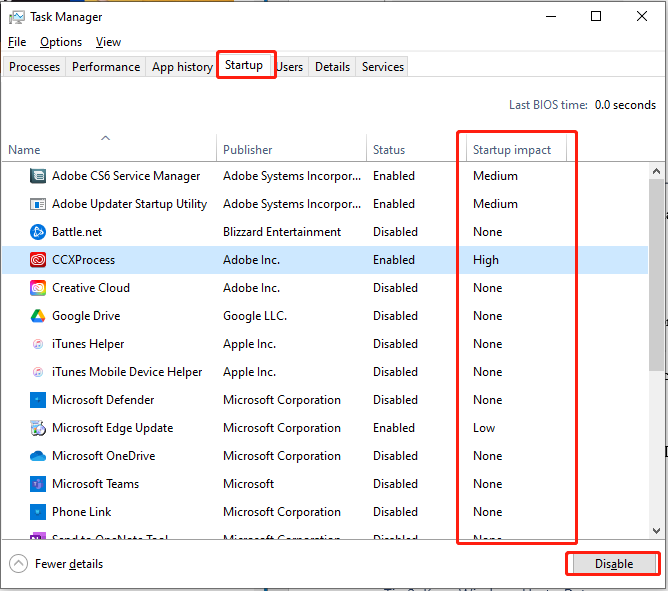
Having too many startup programs will slow down your computer. They launch automatically when the PC turns on, taking longer to boot Windows and consuming a lot of system resources. In this case, it’s necessary to limit your startup processes.
To do that:
Step 1. Press Ctrl + Shift + Esc to bring up Task Manager.
Step 2. Navigate to the Startup tab > choose the high-impact programs from the list > click on Disable.
Tip 3: Keep Windows Up-to-Date
Updates provide security patches to address vulnerabilities, improve performance, and add useful new features. Keeping your system, drivers, and software up to date is imperative to maintain a secure and efficient computing experience.
See the detailed breakdown below:
#Windows Update
Step 1. Press Win + I to open Settings > go to Update & Security.
Step 2. Click Check for updates and wait for the detection. If it says “Updates are available”, hit Download and then install the updates immediately.
#Drivers Update
Step 1. Right-click on the Start icon and select Device Manager.
Step 2. Go to the required device and right-click on it.
Step 3. Choose Update driver > Search automatically for drivers. Then follow the on-screen instructions to complete.
#Software Update
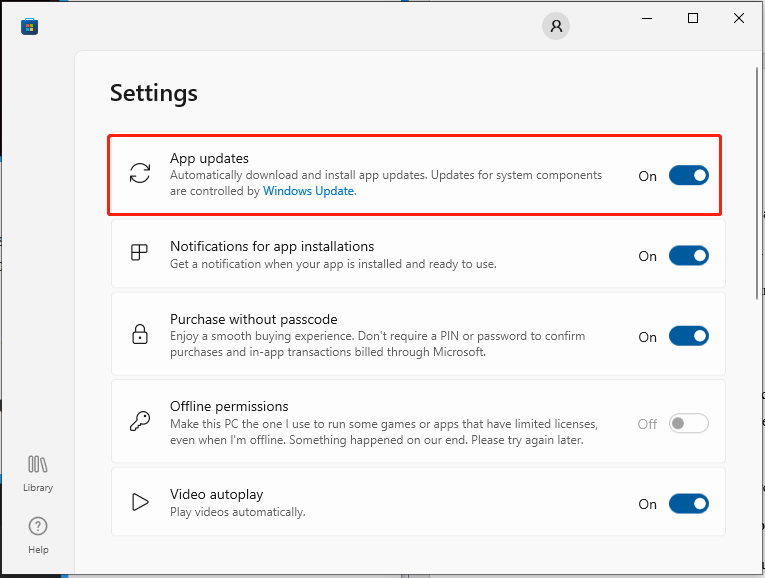
If you install applications via the Microsoft Store or other stores, usually, you can check for updates in their library. Or, you can set up automatic updates for apps in the Store. Here, we take the Microsoft Store as an example:
Step 1. Open Microsoft Store by searching on the Start menu.
Step 2. Locate your profile on the top > choose Settings > turn on App updates.
However, if you obtain programs from other sources, you’ll need to visit their official websites to download the latest version and install them.
Tip 4: Scan for Malware
At regular intervals, you should run a deep malware scan for your Windows PC. This is essential for maintaining system security and preventing potential harm form viruses, ransomware, and other malicious software.
To check for viruses using Windows Security:
Step 1: In Settings, go to Update & Security > Windows Security > Virus & threat protection.
Step 2. Click the Scan options link under Current threats > choose Full scan > hit Scan now.
The scan could take longer than one hour or a few hours to complete. If the result is fine, it will say No Current Threats; if it does detect any threats, click Start actions to remove them.
Tip 5: Defragment Your Hard Drive
Windows includes an inbuilt disk defragmenter called Defragment and Optimize Drives. It reorganizes and regroups data to help improve the performance of your computer.
This reorganization can significantly improve your computer’s performance by reducing the time it takes to access files.
Here’s how to defrag your hard drives with this Windows disk defragmenter:
Step 1. Type defragment in the search bar and choose Defragment and Optimize Drivers.
Step 2. In the Optimize Drives window, select the drive you want to defragment and hit Optimize. This process takes depends on the percentage of the capacity used.
If you want to change the frequency of a scheduled disk defragmentation task, you can hit Changes settings. And then follow these guidelines:
Step 1. Tick Run on a schedule (recommended) and select the desired frequency (daily, weekly, or monthly).
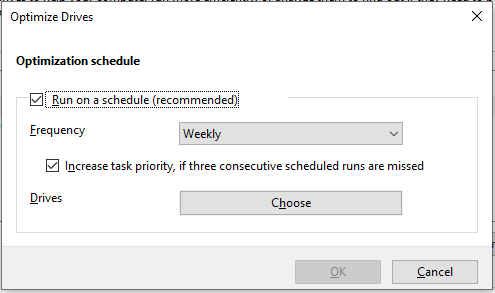
Step 2. Check Increase task priority, if three consecutive scheduled runs are missed > click Choose to decide the drive you want to optimize on a regular schedule > tick Automatically optimize new drives.
Step 3. Finally, click OK to save all the changes.
Tip 6: Use MiniTool System Booster
If it helps, you can also resort to a PC tune-up software – MiniTool System Booster. You complete all these operations within the single tool, including cleaning up files, defragmenting the hard drive, updating the system, managing startup programs, etc.
This tool is particularly suitable for computer beginners. Now, download and install the MiniTool System Booster Trial edition (free for 15 days).
Let me show you how it works:
MiniTool System Booster TrialClick to Download100%Clean & Safe
#Remove Files
This program can scan you PC deeply for duplicate files, temporary files, and other unnecessary system files you can delete.
Step 1. Expand the Performance Home menu > choose Deepclean > hit START CLEAN.
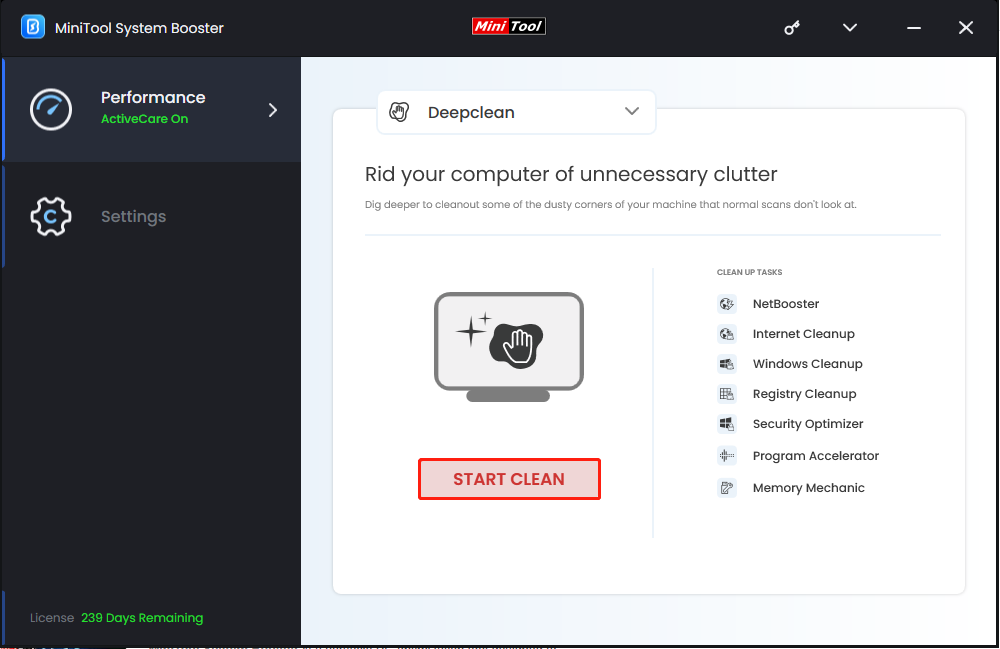
Step 2. It will carry out 7 cleanup tasks. You should do Internet Cleanup, Windows Cleanup, and Registry Cleanup. As for the rest, you can conduct or skip them as per your needs.
#Uninstall Unwanted and Unused Software
Step 1. Go to Toolbox > select Advanced Uninstaller from File Management.
Step 2. Hit UNINSTALL to remove the programs you don’t need.
#Disable Unnecessary Startup Programs
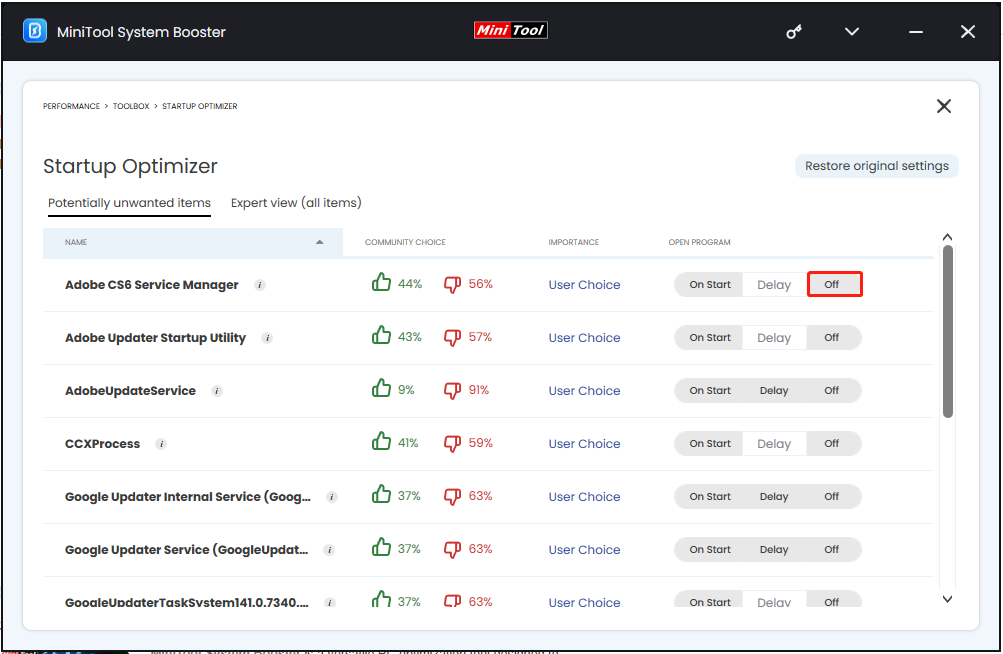
Step 1. In Toolbox, go to Startup Optimizer under System Management.
Step 2. Turn off the unwanted startup programs by choosing Off.
Bonus Tips – Back up PC Regularly
To protect your PC, regular backups are necessary in case of hardware failure or other unforeseen events. Once the computer goes wrong for some reason, you can restore the PC to a normal state, which reduces the downtime.
Also, backing up your data can prevent data loss and ensure that you have access to important files.
Option 1. Use Windows Built-in Tool
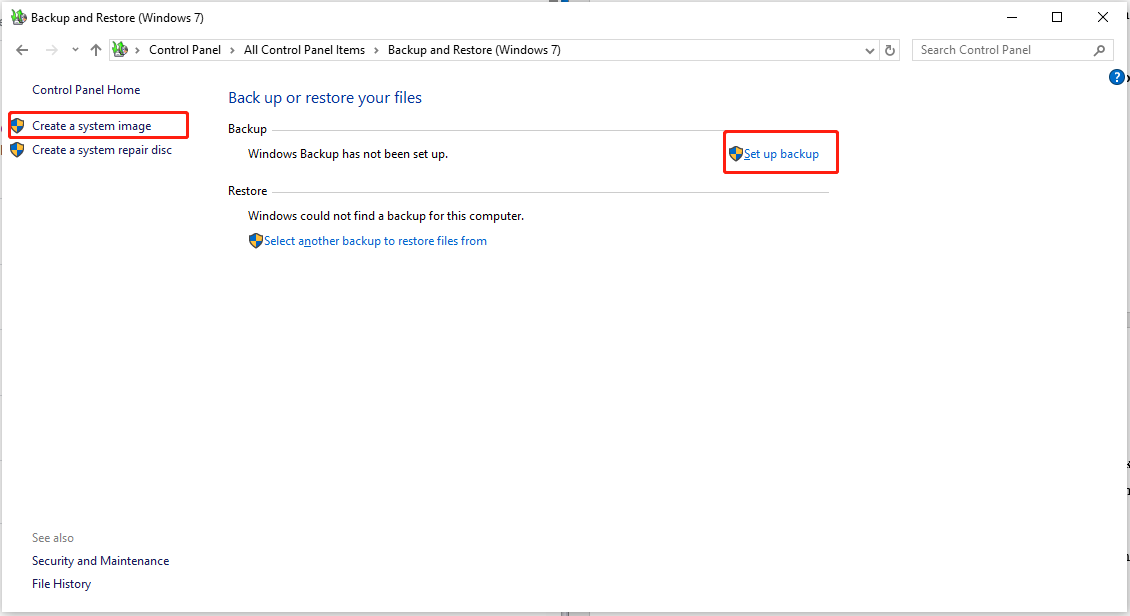
To back up your computer, you can open Control Panel > click Backup & Restore (Windows 7) > click Create a system image > follow the instructions on the screen to back up the Windows system.
Or you can click Set up backup and start file backup by following the on-screen wizards.
Option 2. Try MiniTool ShadowMaker
You can also use a professional PC backup software to streamline the whole backup process. MiniTool ShadowMaker stands out in the market. This tool is tailored to provide backup solutions for both individuals and companies.
It is so powerful that it supports file backup, disk backup, system backup, and partition backup to help your data survive from various data disasters.
In addition to backup, it also allows you to sync files and clone SSD to larger SSD for better performance.
Now, let’s see how to create a backup with this tool:
Step 1. Launch this software and hit Keep Trial to enter its main interface.
MiniTool ShadowMaker TrialClick to Download100%Clean & Safe
Step 2. In Backup, go to SOURCE to choose the items to backup and then hit DESTINATION to pick an external hard drive or a USB flash drive as the destination path.
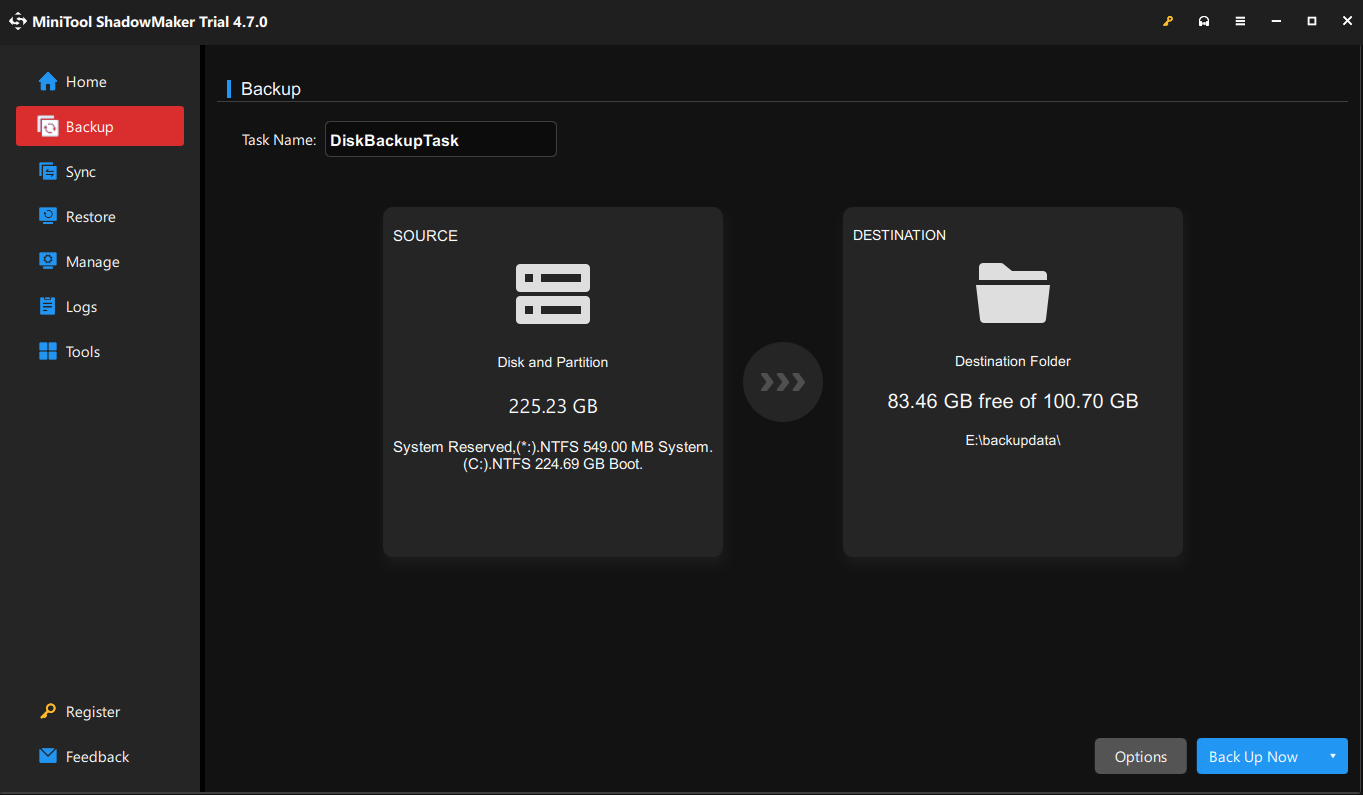
Step 3. Click on Back Up Now to start the process immediately.
In the End
This guide shows you how to tune up a computer in 6 aspects and why you should do that. You can try them all or use a professional PC tweaker like MiniTool System Booster. Hope you can benefit from this article.
If you have any problems with our product, please comment below or send an email to [email protected]. We’ll reply to you as soon as possible.
Computer Tune up FAQ
Files accumulation, such as system files, update history, and chat logs.
Software is installed by default on the C: drive.
Large folders on the Desktop.
System Cache: the Temp files and remnants of system updates.
User Cache: browser cache, application logs.
Recycle Bin: deleted files and expired installation packages.
Press Ctrl + Shift + Esc to run Task Manager > check the Memory column in Performance.
Press Win + R to open the Run window > enter msinfo32 to run System Information > find Installed Physical Memory (RAM).
User Comments :