
Can 32-Bit Windows Run 64-Bit Programs
The answer depends on both the operating system and the processor architecture.
| Situation | Possible | Recommended Method |
| 32-bit OS + 32-bit CPU | No | Upgrade hardware |
| 32-bit OS + 64-bit CPU | Yes | Upgrade Windows to 64-bit |
| Older software issue | Sometimes | Run compatibility code |
| Need one specific app | Sometimes | Install the 32-bit version |
| Testing environment | Sometimes | Use a virtual machine |
Why Can’t I Run 64-Bit on 32-Bit
When attempting to run 64-bit software on 32-bit Windows, the operating system (OS) pops up a warning:
“This app can’t run on your PC
To find a version for your PC, check with the software publisher.”
This warning indicates that 32-bit Windows does not support 64-bit applications.
So, why is a 64-bit app not running on 32-bit Windows? This is mainly because the 32-bit operating system lacks support for 64-bit instructions and memory addressing.
Here is a breakdown:
- A 32-bit OS can only process 32-bit instructions, while 64-bit software requires a 64-bit environment to run properly.
- 64-bit programs require 64-bit system files and drivers to operate, which are unavailable in a 32-bit system.
- A 32-bit Windows can address up to 4GB of RAM, making it unable to fully support modern 64-bit software that requires larger memory address spaces.
- Even on x64-based processors, 64-bit software cannot run if the installed version of Windows is 32-bit.
- On some older computers with x86-based processors, the hardware itself does not support 64-bit computing.
How to Check Whether Your CPU Supports 64-Bit
Before trying any way, first check whether your processor supports 64-bit architecture.
Follow these steps:
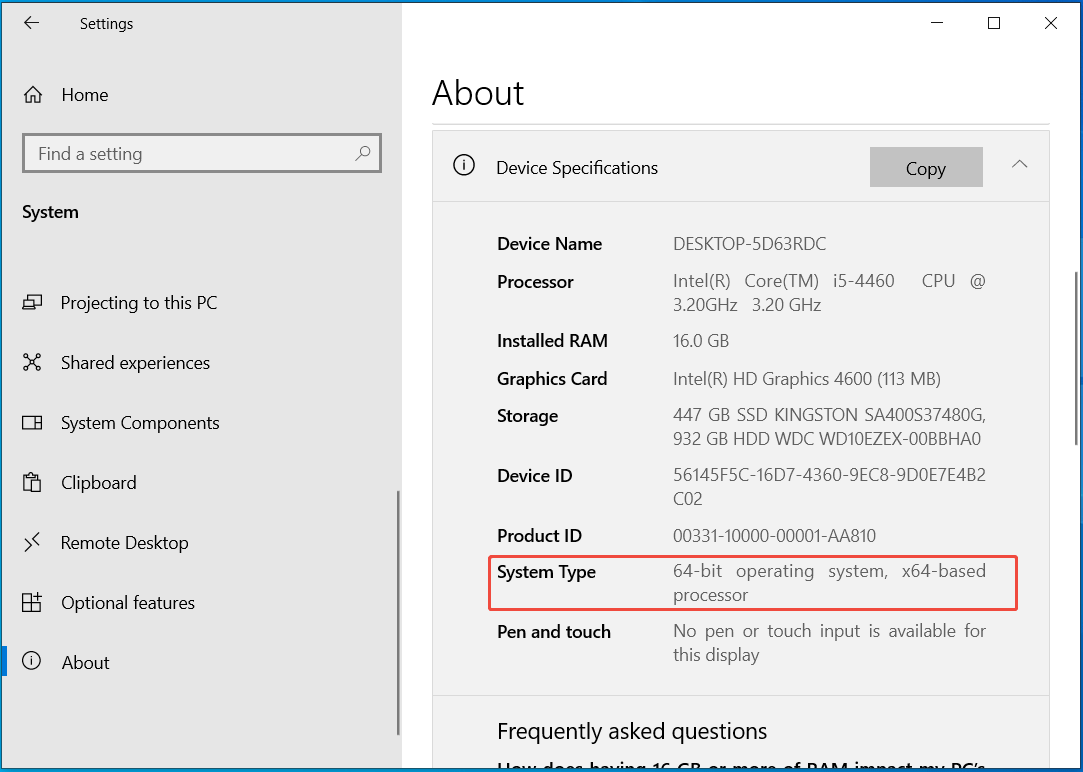
Step 1: Open the Settings app in Windows 11/10.
Step 2: Navigate to System > About.
Step 3: Under Device specifications, locate System type and see if it says “64-bit operating system, x64-based processor”.
How to Run 64-bit software on 32-Bit Windows 11/10
To run x64 apps on an x86 system, try these methods:
- Upgrade 32-bit to 64-bit Windows
- Install the 32-bit programs instead
- Use compatibility mode
- Run a virtual machine
- Use Remote Desktop and Cloud PC services
Method 1: Upgrade Windows to 64-Bit
Best for: PCs with 64-bit processors
Difficulty: Medium
Success rate: High
If your computer uses a 64-bit processor but runs a 32-bit version of Windows, upgrading the operating system to 64-bit is the most reliable solution. After an upgrade, you can run modern 64-bit applications.
Upgrading from 32-bit to 64-bit Windows requires a clean installation, as a direct upgrade path is not supported. This process can erase all system data and install a fresh copy of the system.
Follow the upgrade steps:
Step 1: Back up important files
1. Download, install, and launch MiniTool ShadowMaker on your computer.
MiniTool ShadowMaker TrialClick to Download100%Clean & Safe
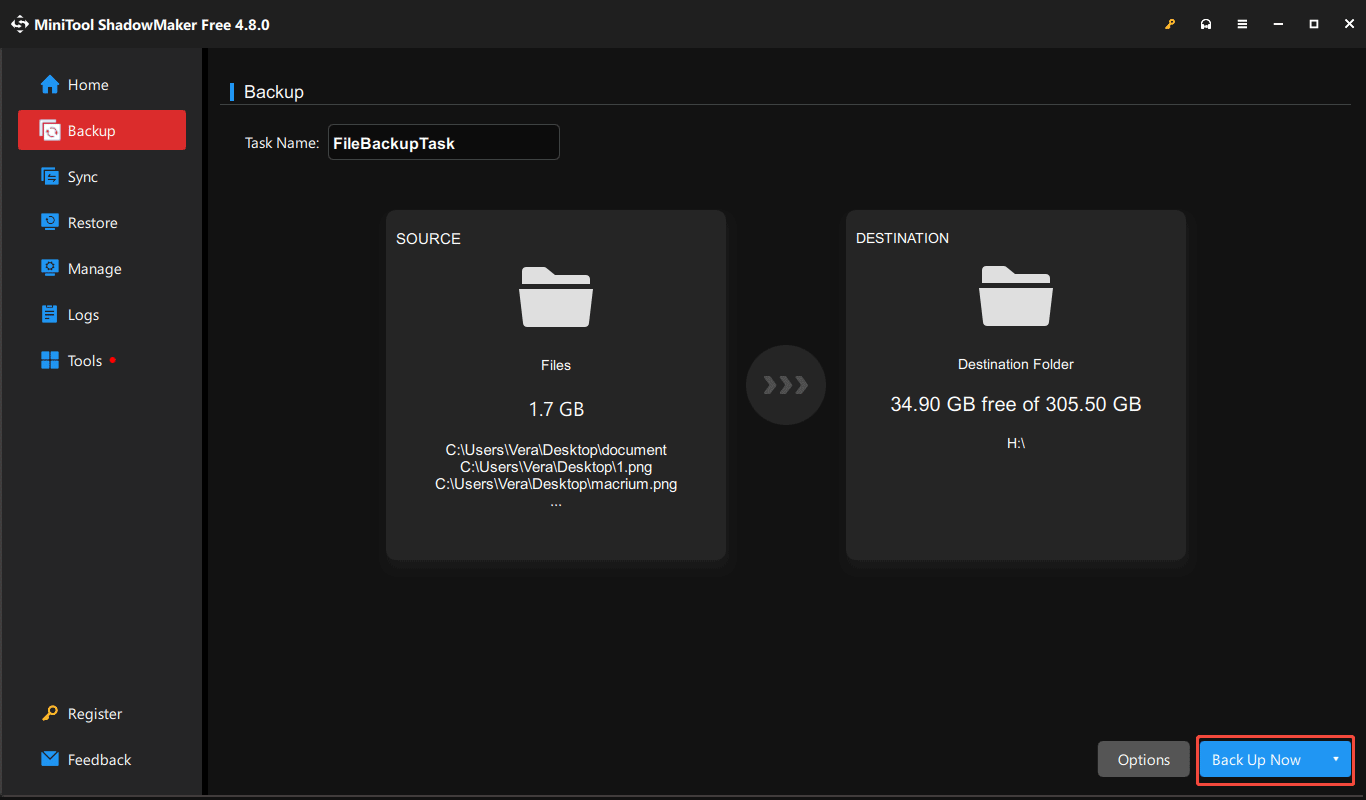
2. Go to Backup, choose SOURCE > Folders and Files, select the important files, including the desktop files, and click OK.
3. Click DESTINATION, choose a drive to save the backed-up files, and click OK.
4. Select Back Up Now to execute the file backup immediately.
Step 2: Create Windows installation media
1. Download a 64-bit Windows 11/10 ISO file from Microsoft’s official website.
2. Connect a USB drive and run Rufus to create a bootable USB drive.
Step 3: Boot from the USB drive
1. Connect the bootable drive to the 32-bit PC.
2. Restart Windows to BIOS.
3. Set the USB drive as the boot drive and start up the system.
Step 4: Install 64-bit Windows
1. Customize your preferences, including language, time and currency format, and keyboard.
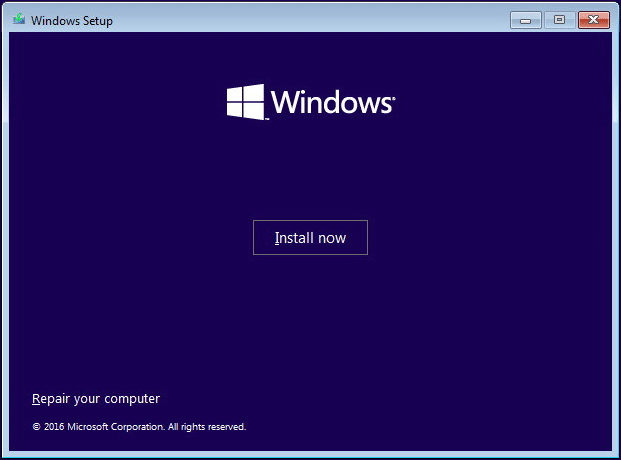
2. Click the Install now button or choose Install Windows 11 to proceed.
3. Choose I don’t have a product key.
4. Select a Windows edition.
5. Click Custom: Install Windows only (advanced).
6. Delete the current system drives and follow the on-screen instructions to finish the installation.
After installing the system, you can reinstall 64-bit applications.
Method 2: Install the 32-Bit Version of the Program
Best for: Applications with available 32-bit versions
Difficulty: Easy
Success rate: High
Some software developers still provide the 32-bit version of applications for older systems, for example, VLC and 7-Zip.
To fix 64-bit app not running on 32-bit Windows, visit the official website and download the 32-bit installer instead.
Method 3: Use Compatibility Mode
Best for: Older applications and games
Difficulty: Easy
Success rate: Medium
If you can install a 64-bit app but it fails to open, try enabling compatibility mode. This method helps some older software run properly on legacy systems.
Step 1: Right-click the application and choose Properties.
Step 2: Under the Compatibility tab, check Run this program in compatibility mode for, and choose Windows 8 or Windows 7.
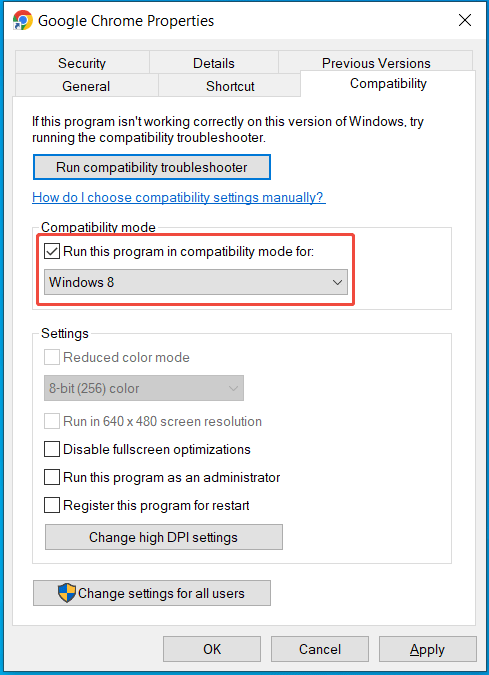
Step 3: Click Apply > OK.
Method 4: Run the 64-Bit Program in a Virtual Machine
Best for: Advanced users and test environments
Difficulty: Hard
Success rate: Medium
A virtual machine allows you to run isolated operating systems on your computer. If you need to run 64-bit programs on 32-bit Windows, this is an effective method.
Popular virtualization tools include VMware Workstation, VirtualBox, and Hyper-V. Before proceeding, ensure that hardware virtualization (Intel VT-x or AMD-V) is enabled in BIOS.
Step 1: Download and install a virtual machine on the 32-bit system.
Step 1: Install 64-bit Windows 11/10 in the virtual machine first.
Step 2: Install and run 64-bit applications.
Method 5: Use Remote Desktop or Cloud PC Services
Best for: Running modern software on older hardware
Difficulty: Medium
Success rate: Medium
Several remote desktop or cloud PC services allow you to run 64-bit apps on 32-bit Windows because the software is actually executed on a 64-bit server or cloud-based system instead of the local machine.
Microsoft Windows 365 and Azure Virtual Desktop are worth trying. Since these services run through the cloud, a stable internet connection is required.
![[4 Ways] How to Run 32 Bit Programs on 64 Bit Windows 10/11?](https://images.minitool.com/minitool.com/images/uploads/2021/12/run-32-bit-programs-on-64-bit-windows-thumbnail.png)
32-Bit vs 64-Bit Windows
| Feature | 32-Bit | 64-Bit |
| Maximum RAM support | 4GB of RAM | Much higher (8GB, 16GB, 32GB, or far more) |
| Driver support | Only 32-bit drivers | Only 64-bit drivers |
| Performance | Slower, limited by RAM | Faster for heavy tasks/multitasking |
| Security features | Basic | More advanced |
Final Words
It is impossible to directly run 64-bit apps on 32-bit Windows 11/10 because of architecture limitations, but you can try some indirect methods to do the task.
Just follow the instructions to upgrade the system, use compatibility mode, or run a virtual machine.
The effective, reliable long-term method should be upgrading Windows from 32-bit to 64-bit. Before proceeding, it is important to create a backup for files with MiniTool ShadowMaker to avoid data loss.
If you encounter any problem with our software, contact [email protected].
Run 64-bit Apps on 32-bit Windows FAQ
However, Windows 11 itself doesn’t offer a 32-bit download anymore.
For developers, they usually need to modify the code and recompile the program using 64-bit development tools.
About The Author

Position: Columnist
Vera has been working at the MiniTool Team for over 10 years as a technical editor and content writer. She mainly focuses on disk and partition management, data recovery, Windows backup and restore, and PC troubleshooting. Through in-depth software testing and hands-on experience, she has helped users solve a wide range of computer problems and better protect their data on Windows devices.
User Comments :