
What Is Great Discover?
Great Discover is often called a virus by users, but it is more accurately classified as a potentially unwanted program (PUP) or adware. Some reports describe it as crypto-mining software that uses your computer’s CPU and RAM without permission.
When the Great Discover virus starts working, the GPU, CPU, and RAM will be affected and all hijacked resources will be used to generate coins for a specific cryptocurrency, depending on the preferences of its operators.
The clever thing about the virus is that only on a system with a powerful enough GPU and CPU and enough memory, Great Discover activity may go unnoticed. To help it maintain its cover over a longer period of time, the threat can also be activated only when the computer is not heavily loaded.
Great Discover may cause the following issues:
- Pop-up ads or unwanted notifications
- Browser redirects or changes to your homepage/search engine
- High CPU, GPU, or memory usage
- PC slow performance, lag, or frequent freezes
- Applications running abnormally
How Does Great Discover Get on Your Computer
Just like other malware, the Great Discover malware sneaks into your computer with camouflage through dubious software installers. Some users seek a cracked version of a legitimate software product for free to avoid any payments, which provides a channel to those malware programs installed.
Installers obtained from these untrustworthy sources offer not the desired product, but various adware, browser hijackers, PUP (potentially unwanted programs), or, in this case, crypto mining threats.
To avoid such a thing happening, the first thing you need to do is to download it via official websites. Besides, you also need to read the small text carefully and check the advanced settings of the installer you are running on your computer.
Finding Great Discover on your PC doesn't necessarily mean it's infected with a virus. However, if you don't remember installing it or notice unusual behavior, check whether it's legitimate or unwanted software. Just check its CPU/GPU usage, file location, and antivirus scan results.
How to Remove Great Discover from Windows 11/10
Refer to the table below for steps to remove Great Discover and its related components as thoroughly as possible.
| Method | When to use |
| Uninstall suspicious programs | The Great Discover or other unfamiliar apps are in the app list. |
| Run a full system scan with Windows Security | You suspect an infection. |
| Run a Microsoft Defender Offline scan | The threat persists. |
| Check unknown processes in Task Manager | You notice unusually high CPU or RAM usage from background processes. |
| Remove suspicious browser extensions or reset the browser | You see ads, redirects, or pop-ups |
| Enter Safe Mode to delete related files | Normal-mode removal fails |
Method 1: Uninstall Suspicious Programs
If you can locate the Great Discover program, uninstall this software. Here is the way.
Step 1: Open Settings by pressing the Win + I key and click Apps to locate Great Discover in Apps & features.
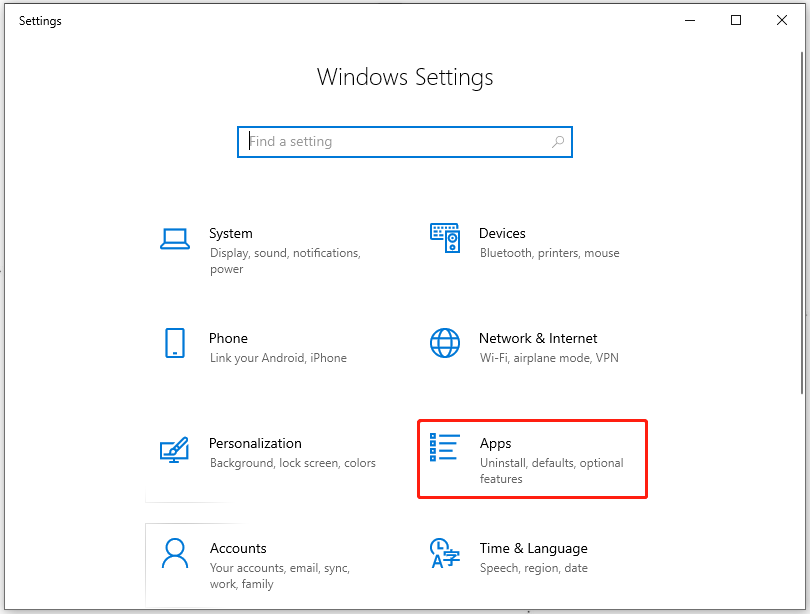
Step 2: Click on Great Discover and choose Uninstall.
Make sure to uninstall all programs related to Great Discover.
Also, look for recently installed apps with unfamiliar names, unknown developers, or apps you don’t remember installing, as malware may disguise itself under different names. Remove any suspicious programs you don’t trust.
Method 2: Run Windows Security for a Scan
If Great Discover remains after uninstalling suspicious programs, run a full scan with Windows Security to detect and remove hidden threats.
Step 1: Open Windows Security from the search box.
Step 2: Select Virus & threat protection > Scan options.
Step 3: Choose Full scan and click Scan now.
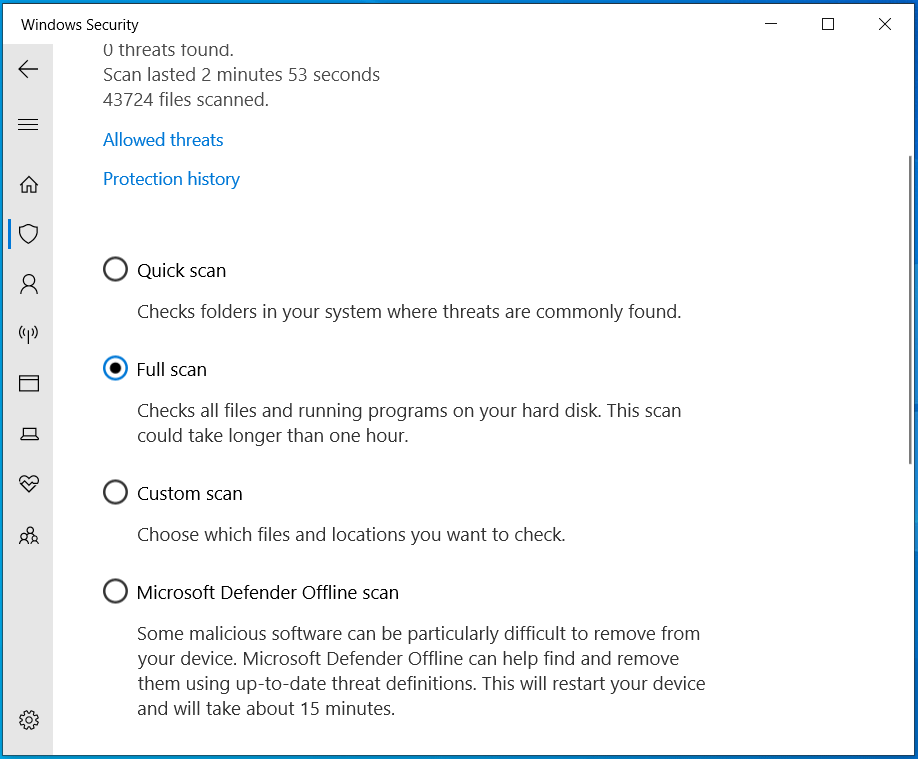
Step 4: Wait for the scan to finish and delete the found threats.
If a full scan does not help, choose the Microsoft Defender Offline scan.
Method 3: End the Great Discover Processes
If Great Discover keeps running in the background or uses excessive CPU and memory, end its processes in Task Manager.
Step 1: Open Task Manager by pressing the Ctrl + Shift + Esc key.
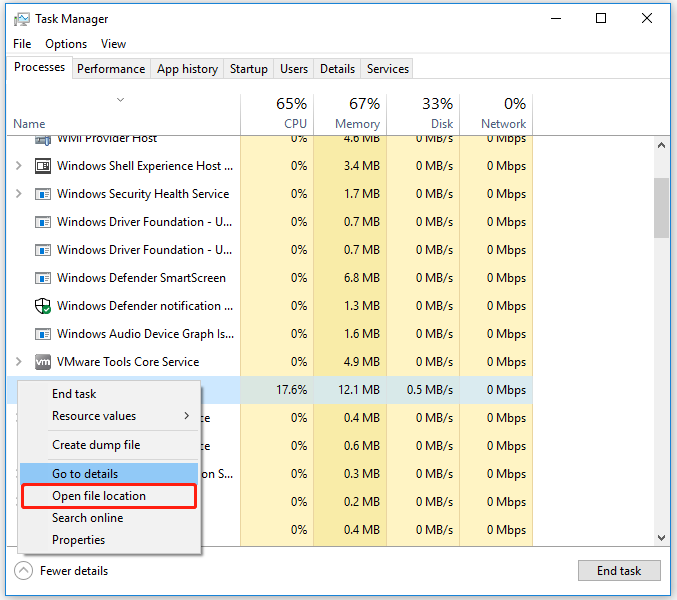
Step 2: In the Processes tab, check if there are any rogue processes named Great Discover and right-click on it.
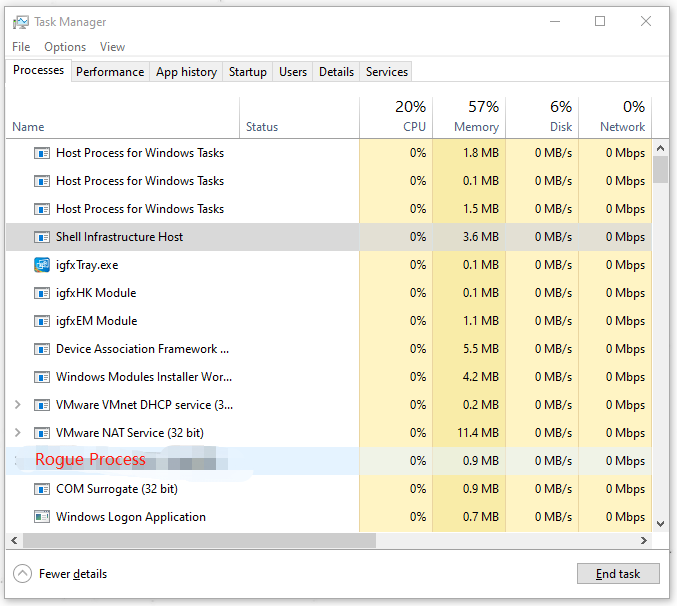
Step 3: Choose the Open file location option and in the pop-up window, delete the file you located.
Step 4: Go back to your Task Manager, click on the rogue process and click End task.
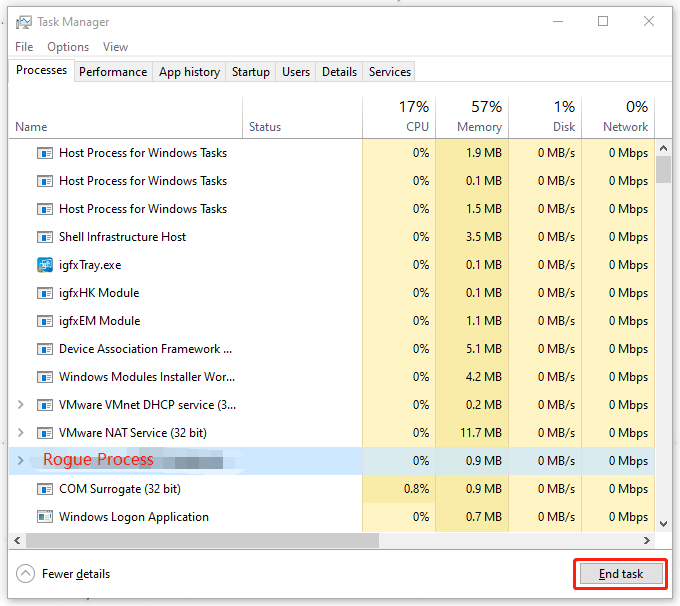
If you can’t find any Great Discover named process, please look for other suspicious entries, especially ones with high CPU and memory usage, that have unusual names or names you don’t recognize.
Method 4: Remove Suspicious Browser Extensions or Reset the Browser
If pop-ups, redirects, or unfamiliar search engines persist, check your browser extensions and remove any suspicious ones. If the issue continues, reset your browser settings.
The exact steps vary by browser. In most browsers, go to Settings > Extensions and remove suspicious ones. Or, go to Settings and click Restore settings or a similar option.
Method 5: Enter Safe Mode to Delete Related Great Recover Files
If Great Discover keeps returning after a normal removal, restart Windows in Safe Mode and delete its related files. Safe mode starts Windows in a basic state, using a limited set of files and drivers.
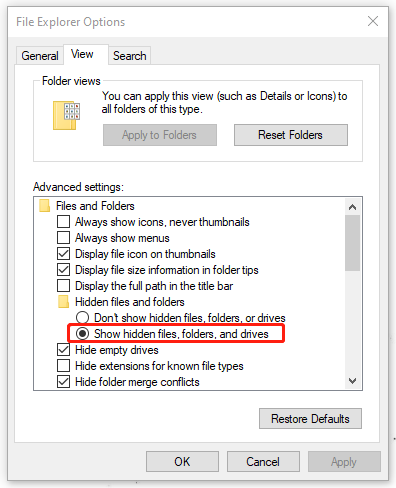
Step 1: Input Folder Options in the Search box and open File Explorer Options.
Step 2: Go to the View tab and enable the Show hidden files, folders, and drives option. Click Apply and OK to save your changes.
Step 3: Open your File Explorer and check for these locations to see if there are any Great Discover-related files and delete them.
The following locations are for reference, if you have chosen to install Great Discover in a different folder, then the Great Discover folder will be located there.
- C:\Program Files\Devine Software Oy\Great Discover
- C:\Program Files\UserNamee Software Oy\Great Discover
- C:\Users\UserName\AppData\Local\Microsoft\CLR_v2.0\UsageLogs\Great Discover App.exe.log
If you find any suspicious files in your system, just don’t casually delete that. It is recommended to scan viruses through these files with Windows Security or other reliable third-party antiviruses first.
Method 6: Clean the Registry
Many Trojans can make changes in the Registry of the infected computer and add malicious entries that affect the system’s stability. Therefore, the last thing to do is to clean the Registry of your computer from Great Discover items.
Step 1: Open your Run dialog box by pressing the Win + R key and input regedit to enter.
Step 2: Click the Edit option in the menu bar and choose Find….
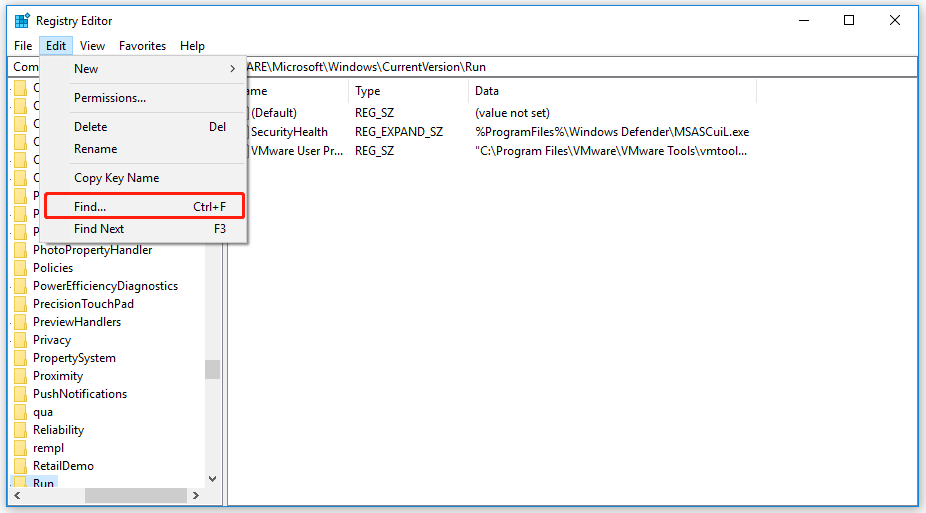
Step 3: You can search for Great Discover and click Find Next. Then delete any items that may get found.
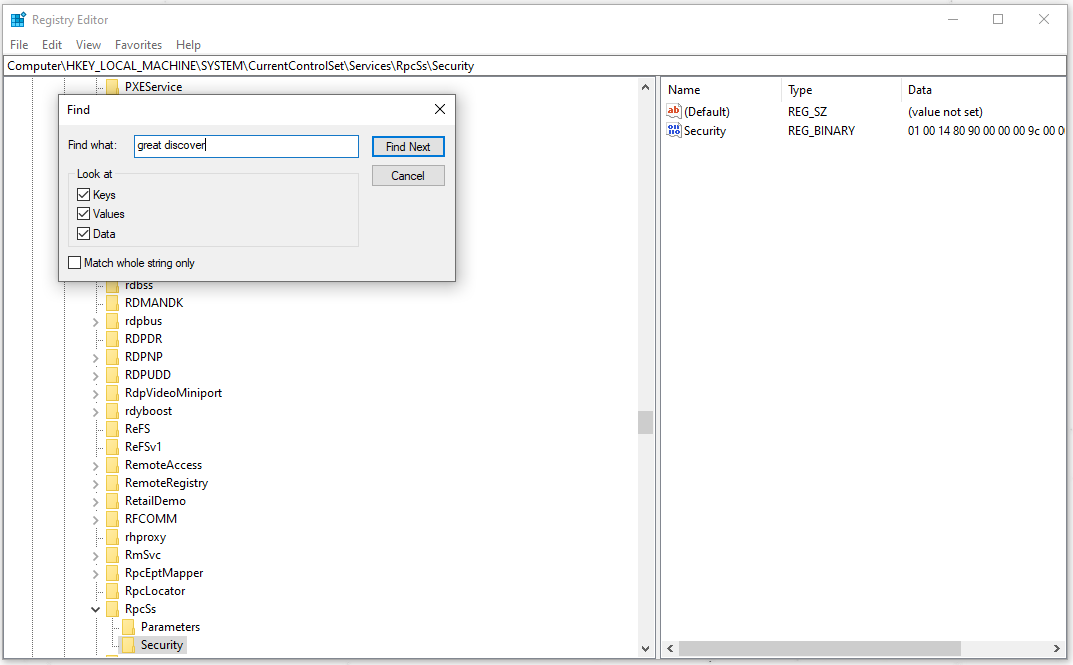
Note: You’d better search for Great Discover again to make sure there aren’t more remaining items.
Step 4: Then you can use the sidebar to manually go to each of the folders listed below and delete them.
- HKEY_CURRENT_USER> Software> Random Directory
- HKEY_CURRENT_USER> Software> Microsoft> Windows> CurrentVersion> Run> Random
- HKEY_CURRENT_USER> Software> Microsoft> Internet Explorer> Main> Random
Registry Editor is a much important Windows tool. Any mistakes in it can lead to severe results. Therefore, it is recommended to back up your registry first.
Back Up Your Data with MiniTool ShadowMaker
Malware infections can sometimes cause data loss or damage important files. To protect your data, it’s a good idea to back up important files and folders regularly.
MiniTool ShadowMaker is a professional PC backup tool for Windows 11/10. It can help you back up files, folders, disks, partitions, and the operating system to an external drive, USB drive, NAS, or other locations.
Importantly, it allows you to schedule a plan to back up data daily, weekly, or monthly and supports creating incremental and differential backups.
Go to download and install MiniTool ShadowMaker and you will get a free trial version for 30 days.
MiniTool ShadowMaker TrialClick to Download100%Clean & Safe
Step 1: After opening the program, click on Keep Trial in the right bottom corner to get into the interface.
Step 2: Go to the Backup page and choose the SOURCE section to choose what you want to back up. Here, it is recommended to back up your system; in this way, you don’t need to change your backup source and your system has been selected by default.
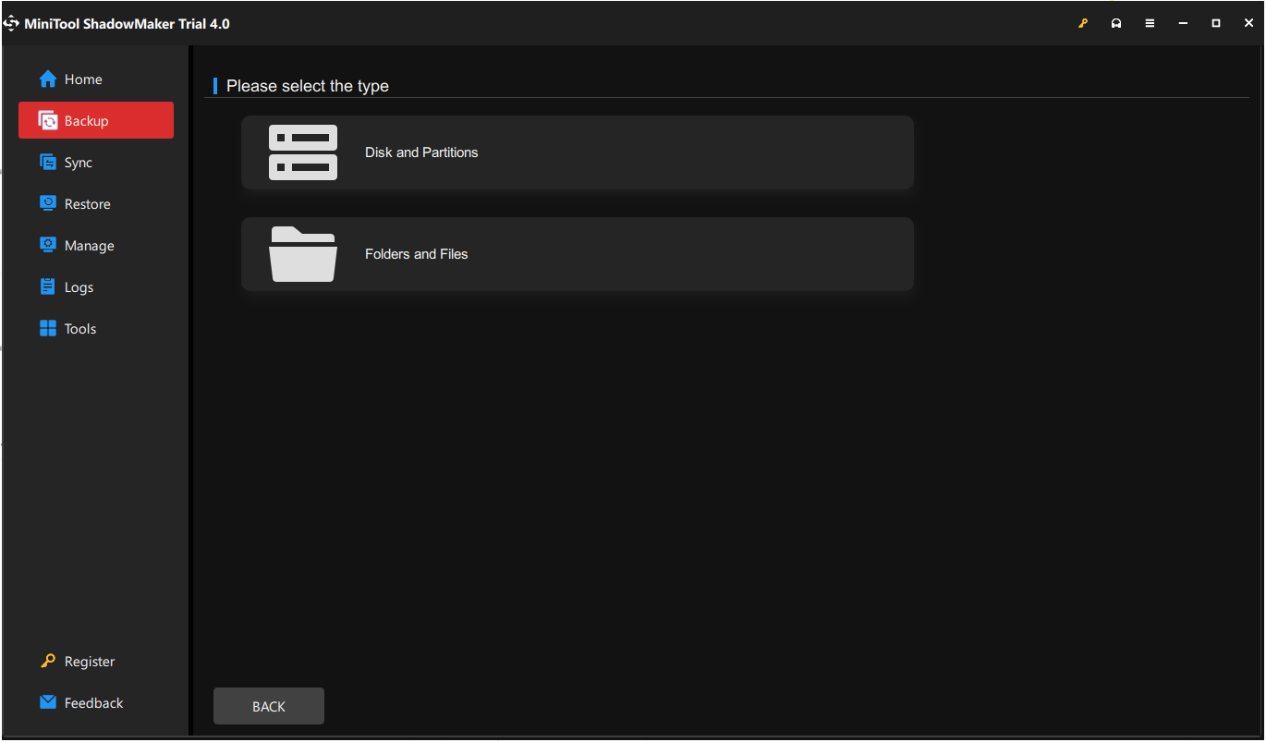
MiniTool ShadowMaker allows you to back up system, disks, partitions, folders, and files. You can also choose to back up important data to avoid data loss.
Step 3: Go to the DESTINATION section to choose where to store the data and there are four locations you can back up to, including User, Computer, Libraries, and Shared. You can do a NAS backup by choosing Shared to add your network path.
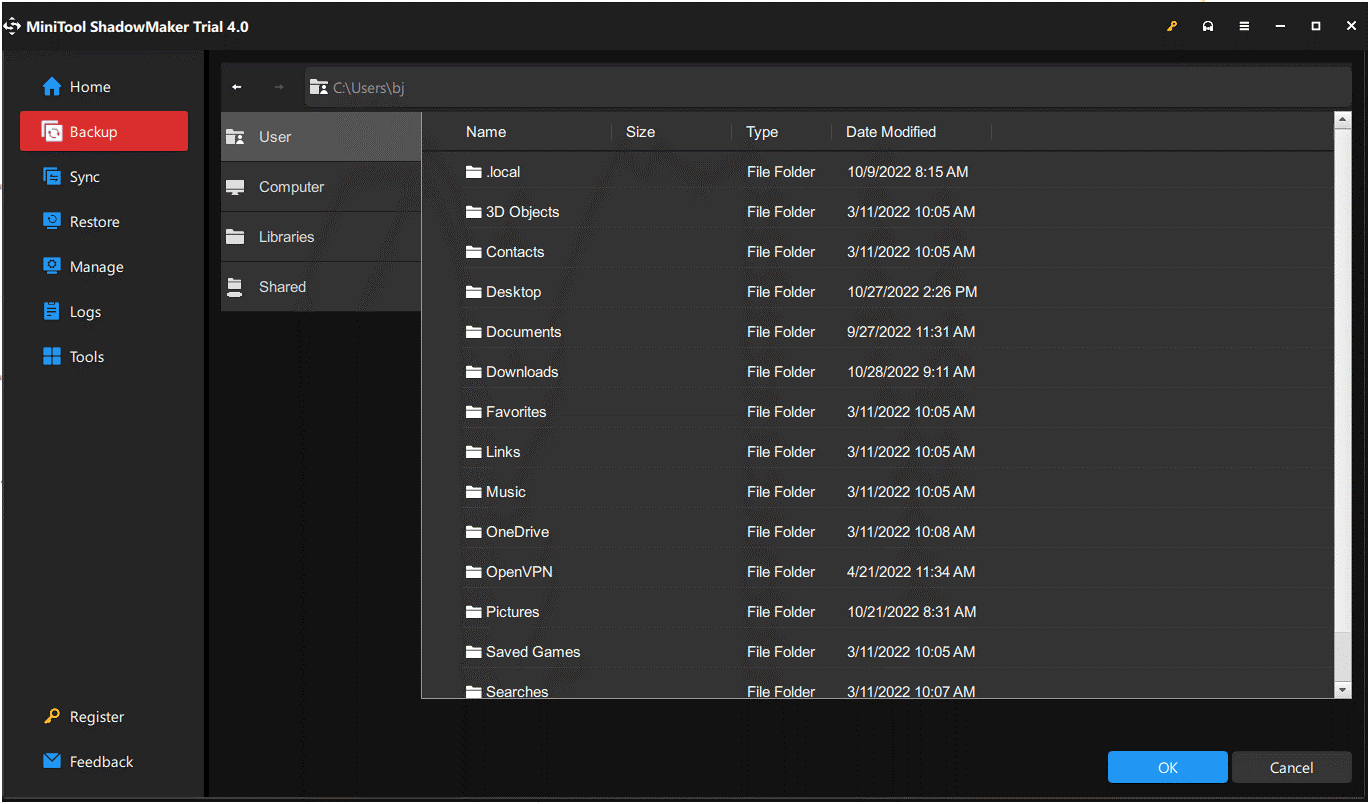
Note: It is recommended to back up your data with an external drive. Especially, if you are preparing for a bootable media, please plug your external drive before opening the program so that MiniTool can identify it.
Step 4: You can choose Back Up Now to start the process immediately or Back Up Later to delay the backup. The delayed backup task is on the Manage page.
Bottom Line:
Great Discover can exploit your computer resources and make your computer slow down, even crash. It is hard to prevent such a virus but you can minimize the harm. Go to back up your data in advance with MiniTool ShadowMaker. It’s a safe bet.
If you have encountered any issues when using MiniTool software, contact us via [email protected].
Great Discover FAQ
1. Download software from official websites
2. Be cautious with advertisements and downloads
3. Keep Windows and security software updated
4. Run security scans regularly
5. Regularly back up important data
User Comments :