
In this MiniTool post, we will explore the reasons why files not showing in folder and discuss methods to fix the problem. Start by showing hidden files, scanning for viruses, and running SFC or CHKDSK to check whether the files are truly lost. If they are, use backup solutions or reliable data recovery software to restore them.
If you tend to store important files in a folder, you may find it frustrating when they seem to disappear without deletion.
This situation can be especially stressful when the missing files comprise work reports, family photos, or essential contracts.
Why are files not showing in folder for no reason? How to get them back on Windows?
The following section will detail the most common reasons and provide 10 step-by-step methods to help you recover files.
Why Are Files Not Showing in Folder on Windows 10/11
“Files not showing up in folder” is one of the most common problems on Windows, but it doesn’t just happen. Here are some of the usual reasons.
- Malware attack
- Accidental deletion
- Drive corruption
- Hidden files
- External hard drive connection issues
- Etc.
Based on those possible causes, there are two situations for the “files missing from the folder” issue on Windows:
- The folder contains files, but Windows doesn’t display them.
- The files in the folder are lost or deleted, and the folder shows empty.
Sometimes, in these circumstances, you may receive the message saying “This folder is empty”.
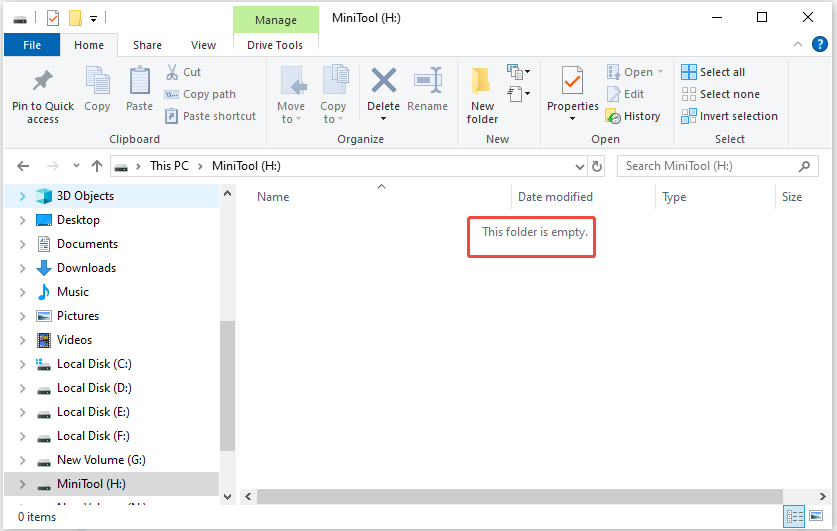
Before fixing the “folder not displaying files” issue, start with some basic checks to determine whether the files are hidden, deleted, or lost:
- Refresh the folder view: Click inside the folder and press the F5 key to refresh the view so as to fix temporary errors.
- Restart the PC: A simple restart can resolve temporary glitches.
- Check the folder’s properties: Right-click on the folder and choose Properties. If there are files within the folder, the “Size on disk” value should be greater than 0 bytes.
- Change the view mode: In File Explorer, switch to View > Details. Check the Date modified column to identify recent changes or concealed items.
If the files still don’t show up in the folder, proceed with the following effective solutions.
Case 1. How to Fix Folder Shows Empty But Files Exist on Windows
In many cases, files in the folder may not actually be lost. Instead, they may be set as hidden or disappear due to certain reasons. Follow the solutions below to make them visible.
Fix 1. Show Hidden Files
The most common reason is that files are hidden from view. To show hidden files in the folder, press Win + E to open the File Explorer, go to the View tab, and check the box for Hidden items.
Fix 2. Scan for Viruses and Malware
Malicious software may cause the files to be hidden, leading to the “files not showing in folder” problem.
Accordingly, it is necessary to run a malware scan to detect and remove malicious software. Follow the steps:
Step 1. Press Win + I to launch Windows Settings, and go to Update & Security.
Step 2. Select the Windows Security option in the left panel, then click Virus & threat protection in the right pane.
Step 3. In the pop-up window, click Scan options under the Quick scan button.
Step 4. Choose Microsoft Defender Offline scan and click Scan now.
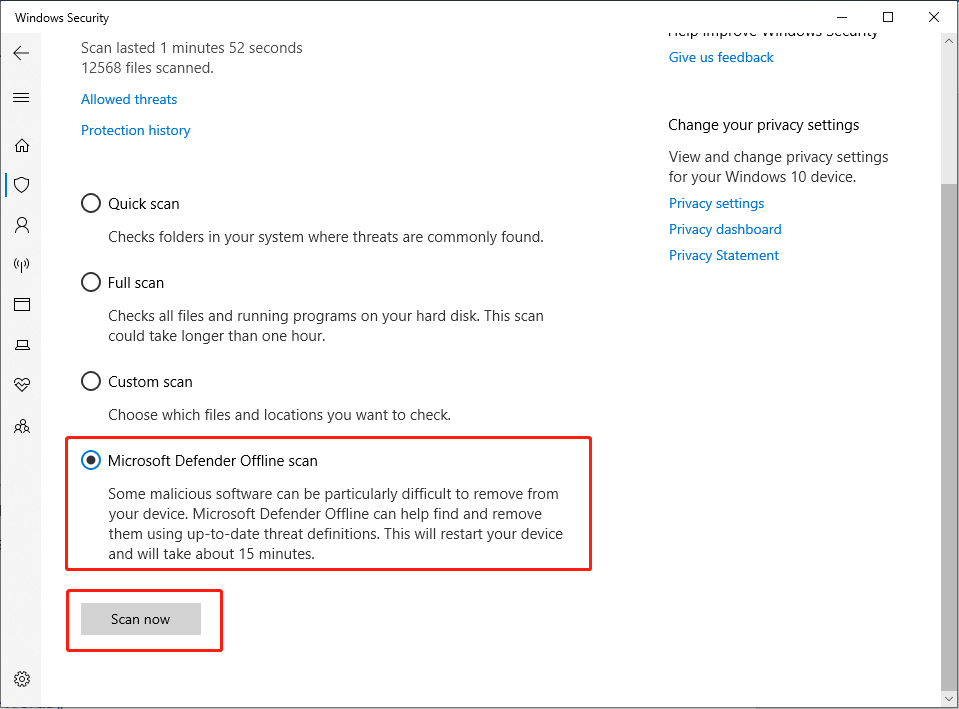
In addition, your antivirus software may sometimes mistakenly identify files as threats and quarantine them. In such cases, open the antivirus program and restore the affected files from quarantine.
Here is how to recover the files quarantined by Windows Defender.
Step 1. In Windows Settings, click Update & Security > Windows Security > Virus & threat protection > Protection history.
Step 2. Then select the Quarantined Items option from the Filters drop-down menu.
Step 3. Select the item you want to retrieve and choose Restore.
If you don’t find your missing files under the Quarantined Items category, try the next method.
Fix 3. Update Windows
Compatibility issues may trigger minor issues between external storage devices and Windows, causing the folder to appear empty.
Therefore, try updating your Windows PC to fix the issue. To do it:
Step 1. Press Win + I to open Settings and select the Update & Security option.
Step 2. Click the Windows Update option in the left panel, and select Check for updates in the right pane to check for available system updates.
If optional updates are available on your computer, follow the instructions to install them as well.
Step 3. After updating, restart your device.
If there is no available update or the files are still invisible, continue to the next solution.
Fix 4. Run SFC
Corrupted system files can impact the performance of the Windows operating system. In some cases, they may also cause files to disappear from folders.
To fix this issue, use SFC (System File Checker) to scan and repair missing or corrupted system files.
Here’s the breakdown on how to run SFC:
Step 1. Click the Windows Search button on the taskbar, type cmd in the search box, right-click the relevant result, and select Run as administrator.
Step 2. In the UAC prompt window, click the Yes button.
Step 3. Copy and paste the command and press Enter: sfc /scannow.
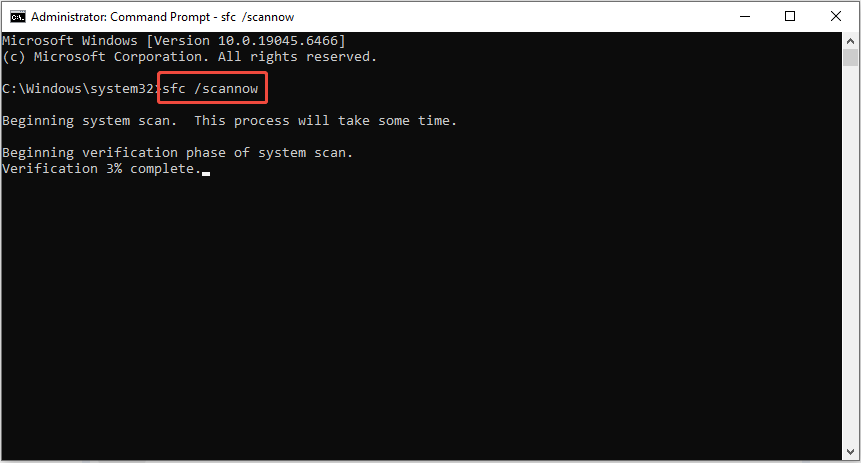
Once the process is completed, restart your computer and open the folder again, and check if you can see your files.
Fix 5. Run CHKDSK and Attrib Command
File system corruption on your drive may trigger the “files not showing in folder” problem.
In this case, you should run the CHKDSK utility to repair file system errors and run the Attrib command to quickly unhide hidden files.
Step 1. In the Windows search box, type cmd and then right-click Command Prompt to select Run as administrator.
Step 2. In the UAC window, select the Yes option.
Step 3. In the command line window, type chkdsk drive letter: /f and press Enter. For example, if the deleted files were stored in the H drive, you need to type chkdsk H: /f.
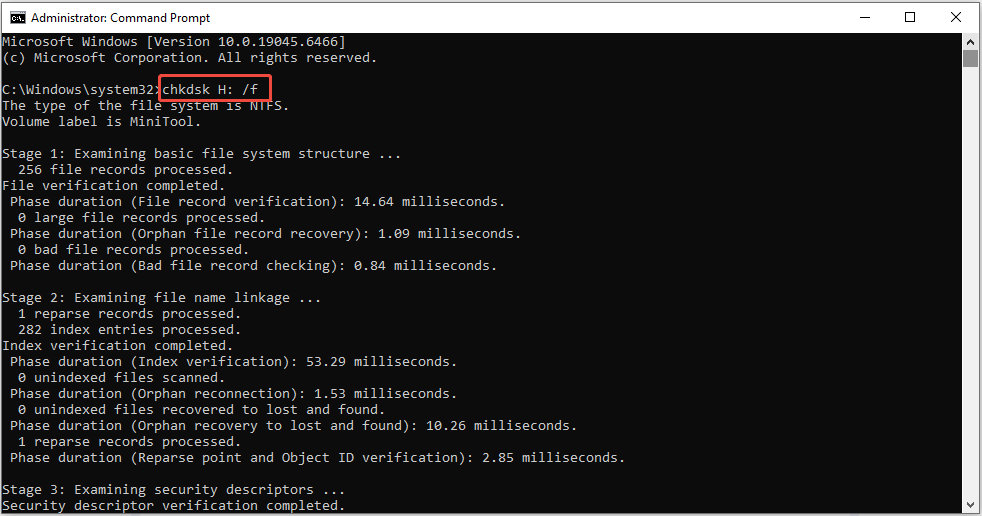
Step 4. Next, type attrib -h -r -s /s /d H:*.* (Replace H: with the drive letter of your device) and press Enter.
If these steps are not practical for you, try the next solution.
Fix 6. Format the Drive
If the methods mentioned above do not resolve the issue of the folder appearing empty, try formatting the drive to restore it to normal function.
MiniTool ShadowMaker TrialClick to Download100%Clean & Safe
To format the drive, follow these instructions:
Step 1. Press Win + E to open File Explorer, and go to This PC.
Step 2. Right-click the drive you want to format and select Format.
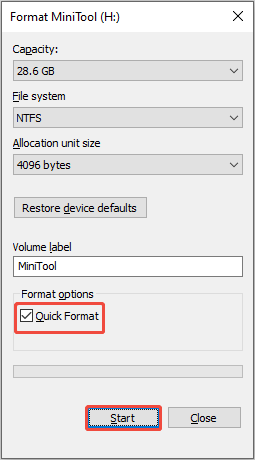
Step 3. In the pop-up window, set the file system and volume label, tick the Quick Format option, and click the Start button.
Case 2. How to Recover Missing Files From a Folder on Windows
“New files in the folder are not visible; they are NOT hidden. I’m running a Windows 10 box. Recently, when I opened a folder to review some files that should have been contained within, I found that they were not visible. Any help?”learn.microsoft.com
There are many common data loss scenarios in a folder. If your files are lost from the folder, follow the instructions below to recover them.
Method 1. Check the Recycle Bin
The first place to look for mistakenly deleted files is the Recycle Bin. To recover deleted files from the Recycle Bin, follow these steps:
Step 1. Open the Recycle Bin.
Step 2. Locate and select the files you want to restore.
Step 3. Right-click on the chosen files and choose the Restore option.
Method 2. Restore the Previous Version
If you have enabled the File History and choose to back up the folder where files are lost, consider restoring the folder’s previous version to recover lost files.
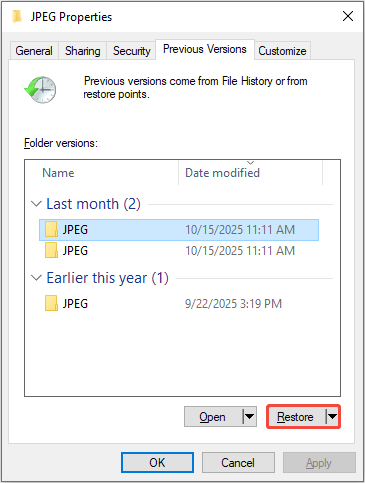
Step 1. Locate and right-click the target folder and select Restore previous versions.
Step 2. In the pop-up window, choose a folder version where your files are not lost or deleted and click the Restore button.
Step 3. Next, click Restore to confirm the action.
Method 3. Use File History
Windows has a built-in backup feature called File History, which allows you to back up files. Here’s how to recover files using File History.
Step 1. Open the Control Panel, and then select the System and Security option.
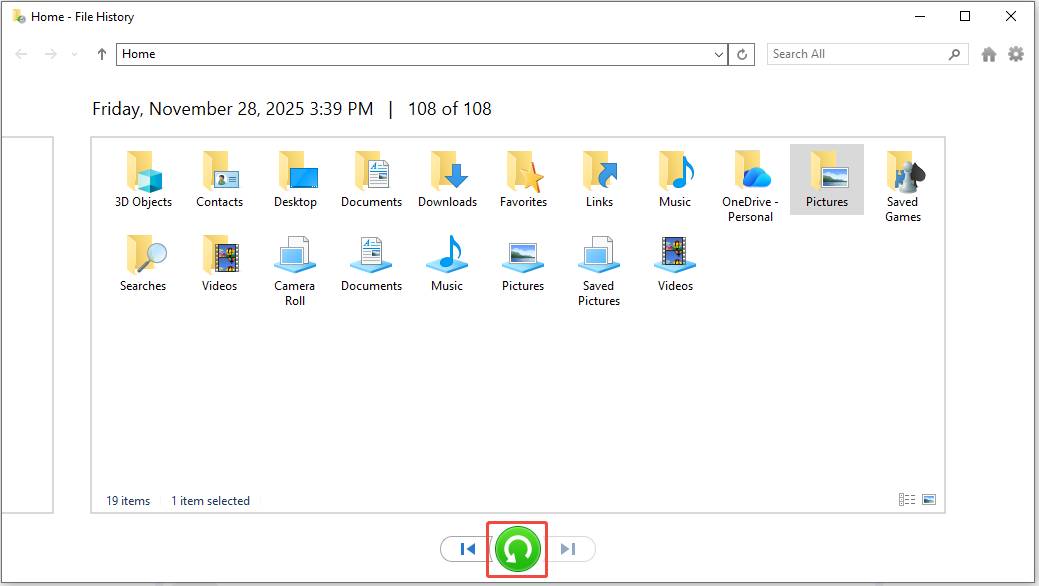
Step 2. Select the File History option and click Restore personal files in the left panel.
Step 3. Choose the version of the file you wish to recover and click the Restore option to bring the files back to the original location.
Method 4. Use MiniTool Power Data Recovery
If you don’t have a backup, you’ll need professional data recovery software to recover deleted or lost files from the folder.
MiniTool Power Data Recovery comes highly recommended as the best option.
This data recovery tool is a completely safe data recovery solution for the following features:
- It is capable of recovering files from formatted, damaged, or even deleted partitions.
- It supports a variety of file types, including documents, photos, videos, audio files, emails, and more.
- It can recover data from various storage devices, including external/internal hard drives, USB flash drives, SD cards, etc.
- This tool provides a free version that allows recovery of up to 1 GB of data for free.
You can start with the MiniTool Power Data Recovery Free to see if it works for you.
MiniTool Power Data Recovery FreeClick to Download100%Clean & Safe
Here is how to use MiniTool Power Data Recovery to recover files from a folder.
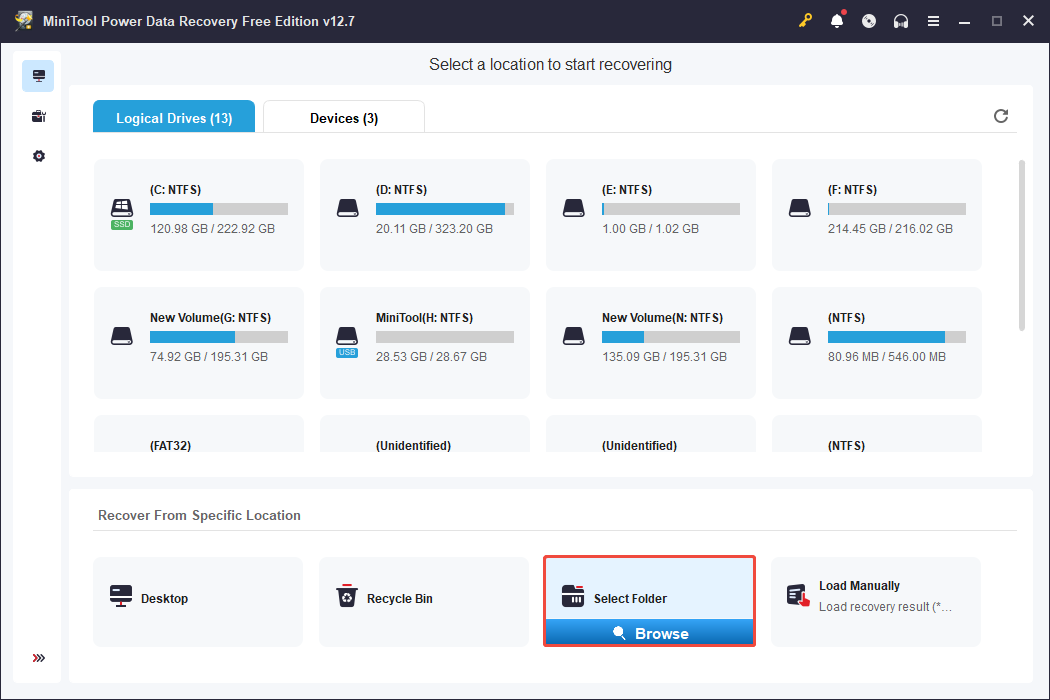
Step 1. Launch MiniTool Power Data Recovery to get its main window. On this page, focus on the Recover From Specific Location section, move your cursor to Select Folder, and click Browse.
Select the target folder and click Select Folder to scan the folder individually, which can save scanning time.
Step 2. After the scan finishes, you can open the folders and look through the files listed under the Path tab.
Alternatively, you can switch to the Type tab to view files grouped by their types or formats.
Additionally, this tool supports two other features to filter files:
- Filter: Click Filter to set up filtering rules like file type, modification date, data size, or file category.
- Search: Type a file name or keyword in the search box and press Enter to find specific files.
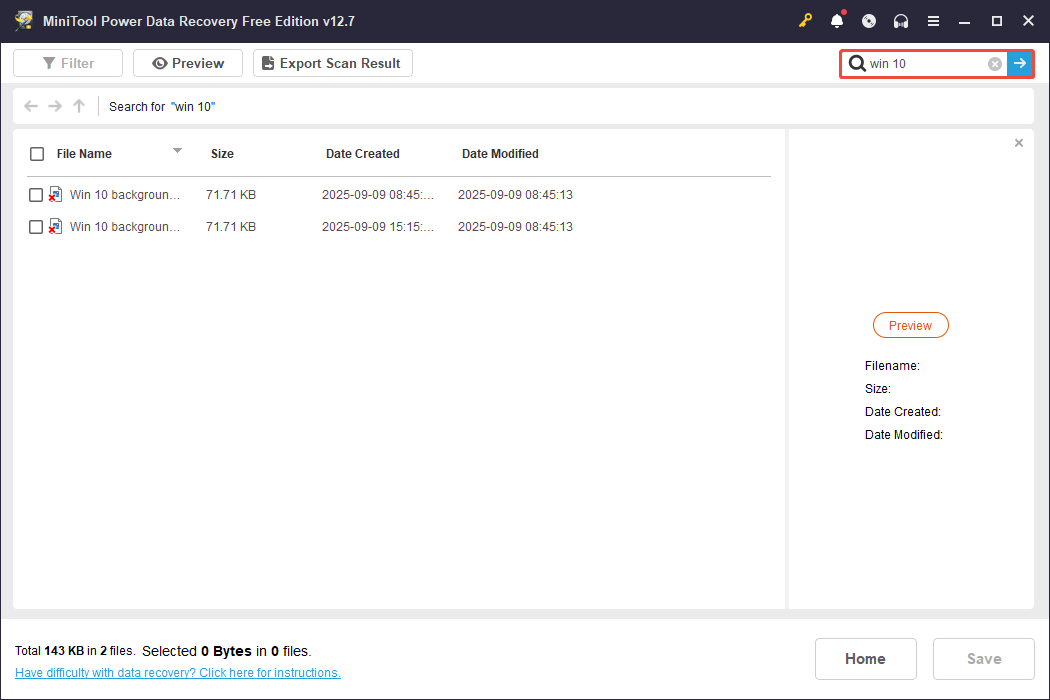
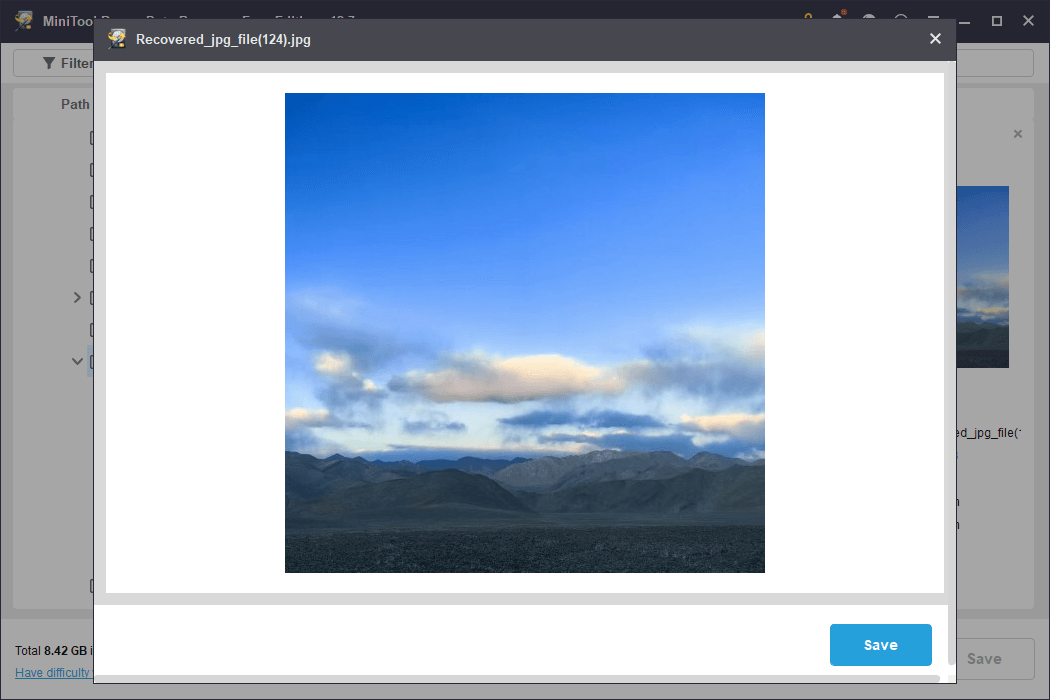
To make sure the file is correct, double-click it to preview its content before recovery.
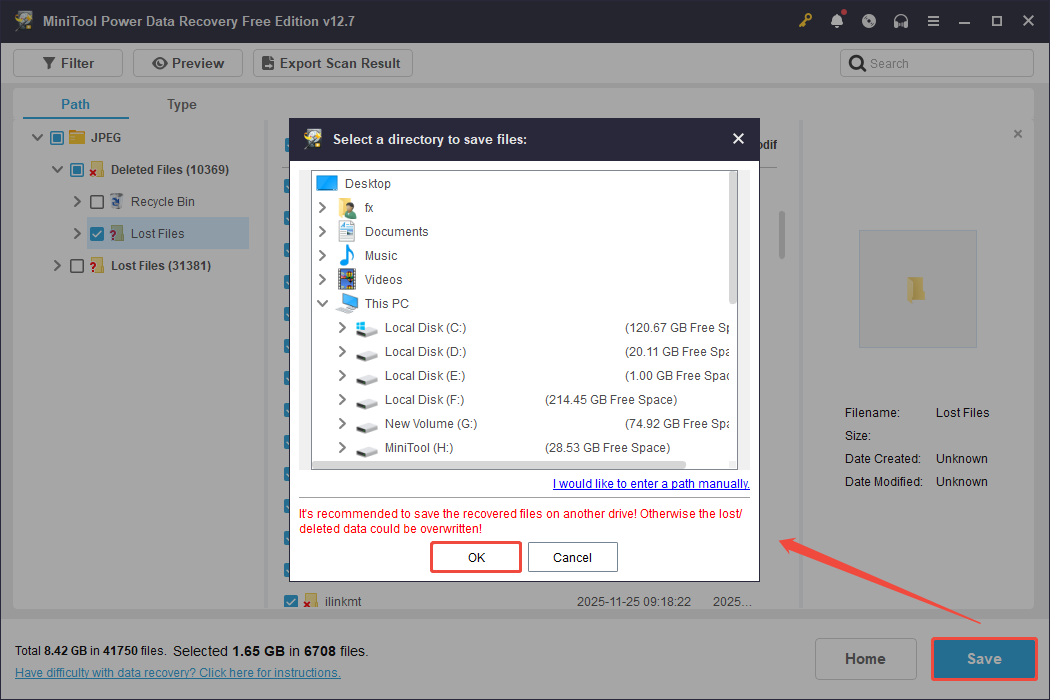
Step 3. Finally, make sure all the files you want to recover are checked, and then click Save.
In the pop-up window, select a safe location and click OK to save the recovered files there.
Once the recovery is completed, you can view and use the recovered files.
Final Words
To sum up, if the “files not showing in folder” issue appears on your Windows PC, the files may not really be missing.
Use the methods above to determine if your files are just hidden or temporarily missing. If they are truly lost, recover them from a backup or with trusted recovery software.
If you need any help when using MiniTool Power Data Recovery, please feel free to contact the support team via [email protected].
User Comments :